
Questions RV owners ask before they lease
Insurance, wear, money and getting the RV back. The general answer comes first, then how Lease A RV handles it. Anything still being finalized is marked so you know it is not a promise yet.
Eligibility and enrollment
What kinds of RVs can go into the program?
Motorhomes and towables are different propositions for a lessee. A Class A, B or C motorhome has its own engine and chassis, so it carries drivetrain maintenance along with the house systems. A travel trailer or fifth wheel has no engine, but the lessee has to bring a tow vehicle rated for its weight, and a fifth wheel needs a pickup with a bed-mounted hitch. If you are not sure your coach fits, send the inquiry anyway and ask.
Which classes, model years and condition levels the program accepts: Client to confirm: accepted RV classes, minimum model year and condition standards.
My RV is financed. Can I still enroll?
Start with your loan agreement. Some lenders restrict renting or leasing the vehicle, and the lienholder's name is on the title, so they may need to consent before anyone else takes possession for months at a time. A phone call to the lender before you enroll saves a stalled application later.
Whether the program accepts financed RVs and what lender paperwork it needs: Client to confirm: policy on financed RVs and required lender documents.
What does enrollment actually involve?
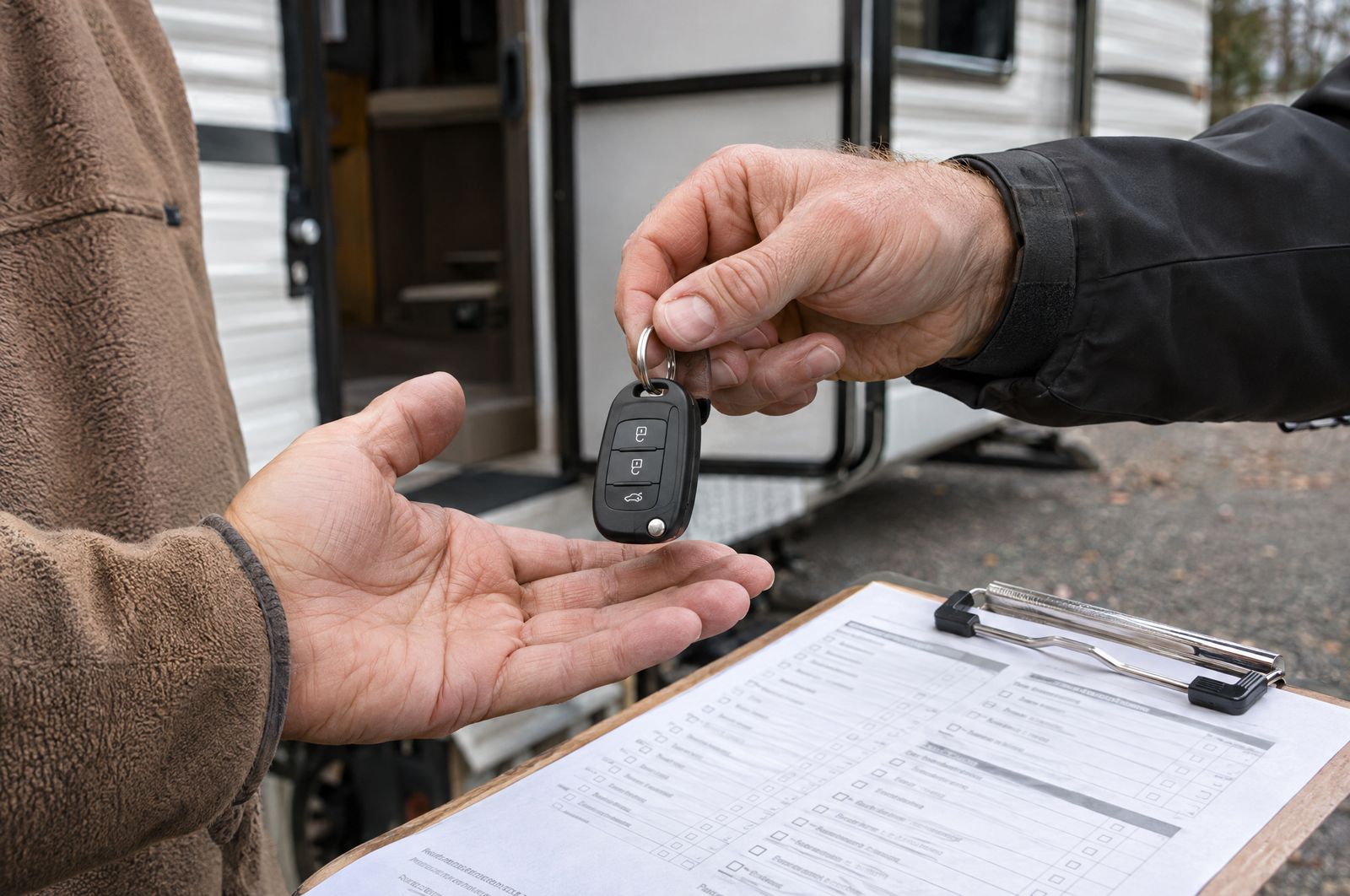
In outline: you send the basics about the RV, its condition is documented and the paperwork is reviewed, a lessee is matched, and the lease terms are put in writing before the keys change hands. The How It Works page walks through each step. Gathering your title, registration, insurance declarations page and service records ahead of time speeds up the paperwork step.
Typical time from inquiry to a signed lease: Client to confirm: typical enrollment timeline.
Does the RV have to be in perfect shape?
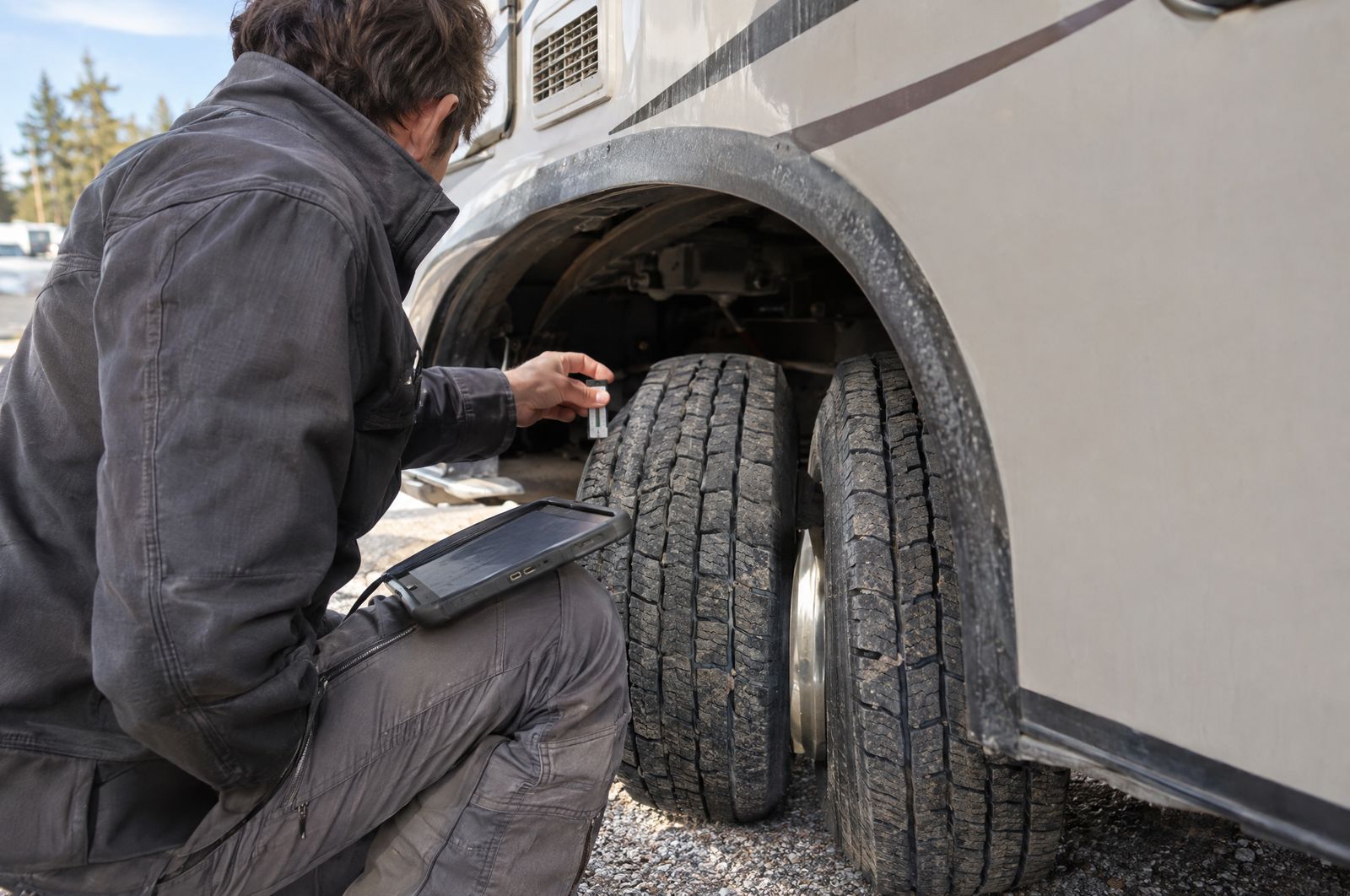
Perfect, no. Dependable, yes. Small faults that a weekend camper shrugs off become real problems for someone living in the coach for months: a weak water heater, a furnace that short-cycles in cold weather, a slide-out that sticks, a roof seam that weeps in a hard rain. Tires matter too. They age with time and sun, so a coach with low miles can still be sitting on rubber that should be replaced.
The program's condition standard and who pays for any work needed before a lease: Client to confirm: pre-lease condition standard and who pays for required repairs.
Money
How do owners get paid?
Client to confirm: owner payment structure, amount basis and payment schedule
Are there any fees for owners?
Client to confirm: owner fees or costs, if any, and when they apply
How does a lease compare with renting the RV out by the weekend?
Short-term rental income moves with bookings and the season, and each trip brings platform fees, a cleaning, an inspection and the wear of a new driver learning your coach. A long-term lease trades the chance of a busy summer for a single lessee and far fewer handoffs. Which comes out ahead depends on how much demand your RV gets locally and how much of your own time you want to put into turnover. The lease, rent or store comparison lays out the trade-offs side by side.
Who pays registration while the RV is leased?
Registration stays tied to the titled owner, so check the renewal date before the term starts. If it falls mid-lease, renew early or make sure the renewal is handled in the agreement so the RV is never on the road with expired tags.
Who covers registration costs during a term: Client to confirm: responsibility for registration fees during the lease.
Two documents can stop a lease before it starts: your loan agreement and your insurance policy. Lenders can restrict leasing a financed RV, and personal RV policies commonly exclude rental or lease use. Read both, call your lender and your agent, and settle it before you enroll.
Insurance and liability
Does my personal RV insurance cover a lease?
Usually not by itself. Many personal RV policies exclude renting or leasing the vehicle to someone else, and some treat it as commercial use. Do not assume you are covered because the policy is active. Read the exclusions section or ask your agent directly.
How coverage works during a Lease A RV term: Client to confirm: insurance arrangement during the lease, including who holds the policy.
Who is responsible if the lessee has an accident?
That turns on two documents: the lease agreement and the insurance policies in force during the term. Before you sign, you should be able to point to the clause that says who pays for damage to your RV and who carries liability for injuries or damage to others. If you cannot find it, ask until it is in writing.
The program's liability terms: Client to confirm: liability and accident terms in the owner agreement.
Should I tell my insurance agent before I enroll?
Yes. Your agent can tell you whether your current policy needs a change, a suspension of some coverage during the term, or an endorsement. It is a short call, and it is far better to have it before the lease than after a claim.
Wear, maintenance and damage
Who handles routine maintenance during the lease?
On a long term, routine items come due while the lessee has the RV: oil and filter changes on a motorhome, generator service, roof and seal inspections, tire checks, and on some coaches, winterizing or de-winterizing. Somebody has to schedule and pay for each of those, and the agreement should name who.
How maintenance is handled in the program: Client to confirm: maintenance responsibilities and scheduling during the term.
What happens if my RV is damaged?
The condition record made before the lease starts is the reference point. At return, the RV is compared against it, and anything beyond the agreed allowance for normal use is handled under the damage terms. That is why the starting photos and notes matter so much: a scratch nobody wrote down is hard to assign to anyone.
The program's damage process and timeline: Client to confirm: damage assessment, repair and payment process.
Won't months of daily use wear my RV out faster?
Use adds wear. Upholstery, flooring, appliances and, on a motorhome, the engine and chassis will show more use after a long term than after a season in storage. Sitting is not free either. Tires age and flat-spot, seals dry out, batteries discharge and generators gum up when they do not run. The honest comparison is wear from use against deterioration from neglect, and the answer depends on the coach and on how well the lease handles maintenance.
Is there a limit on miles or how the RV is used?
Client to confirm: mileage limits, usage restrictions and any travel area limits
The messy part of any long lease is the gray area between normal use and damage. A worn spot on the dinette cushion after a long term is use. A cracked shower pan probably is not. The fairest way to settle that line is before the term begins: detailed photos of every surface, written notes on anything already worn, and an agreed description of what counts as normal wear. Ask to see that definition in writing.
During the lease
Who will be leasing my RV?
Client to confirm: how lessees are screened and what criteria are used
Will I hear how the RV is doing?
Client to confirm: how often owners receive updates and in what form
Can I use the RV myself during the term?
While a lease is active, the RV is with the lessee. If you want a trip or two a year, say so in your inquiry so the term can be planned around it. Trying to carve out a week after a lease is signed is much harder than planning for it up front.
The program's policy on owner use: Client to confirm: policy on owner use during a lease.
Ending the lease and getting it back
What happens at the end of the term?
The RV comes back through a return inspection against the condition record from the start. Any differences are sorted out under the damage and wear terms, and then the coach is either returned to you or placed with the next lessee if you choose to continue.
Return logistics, including where and how the RV is handed back: Client to confirm: return location and handback process.
Can I get my RV back early?
Client to confirm: early return terms for owners, including notice period and any cost
Can I renew or re-lease when a term ends?
Client to confirm: renewal and re-lease options
Taxes and paperwork
Is the money I earn from a lease taxable?
Income from leasing out property is generally reportable, and how it is treated depends on your own tax situation, including whether expenses or depreciation can offset it. A short conversation with a tax professional before your first term is worth it. This page is not tax advice.
Tax documents the program issues to owners: Client to confirm: tax forms provided to owners.
What will I sign?
Expect an owner agreement covering the RV, payment, insurance, maintenance, damage and return. Every question on this page should have an answer somewhere in that document. If one does not, ask for it to be added before you sign.
Agreement name and a sample copy: Client to confirm: owner agreement name and whether a sample can be shared.
Match your situation to the first thing to do
Every answer on this page belongs in your signed agreement.
If a question here is not covered in writing, ask before you sign. That goes for any lease program, including ours.
Still have a question we did not answer?
Ask it directly. Or, if you are ready, send the basics about your RV and find out whether it fits the program. See the full program steps first if you want the big picture.