
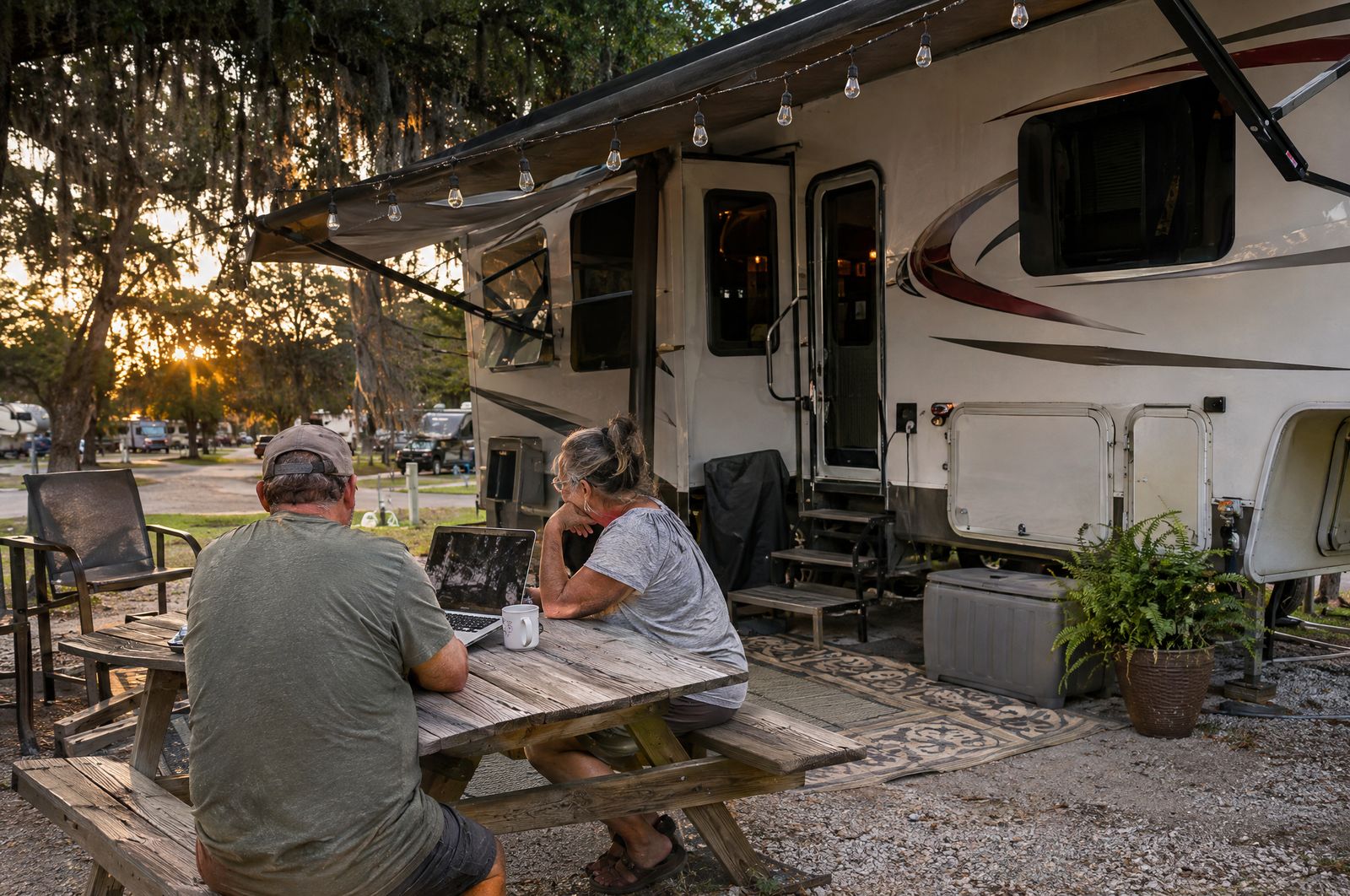
Lease an RV for months, not a weekend
A long-term lease puts you in an owner's RV for an extended term without buying one. Here is who it suits, what it costs beyond the lease itself, and what to ask before you sign.
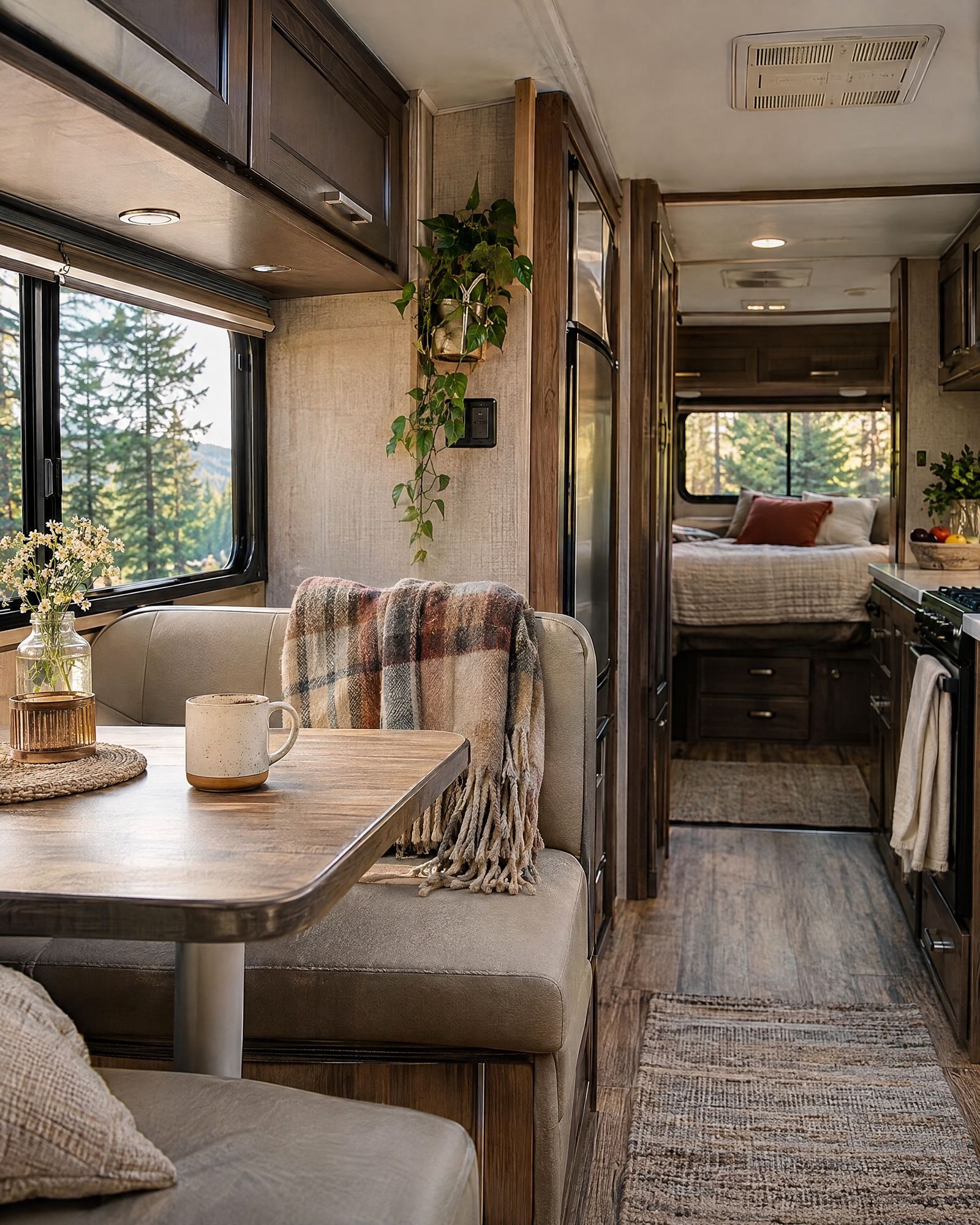
Four situations where a lease makes more sense than a purchase
Leasing fits people who need an RV for a defined stretch of time and do not want to carry the cost and resale risk of owning one.
Work that moves
Traveling nurses, contract crews, seasonal workers and anyone on a multi-month assignment away from home. A furnished place that moves with the job can beat a string of short-term rentals, especially near remote job sites.
Between homes
A house sale closed before the next one is ready. A remodel that made the house unlivable. A move to a new area where you want to learn the neighborhoods before committing. An RV parked near where you need to be can bridge the gap.
The long trip
A season out west, a winter in the south, a sabbatical spent on the road. When the trip runs longer than a typical rental, a lease is built for that length.
Trying RV life before buying
Living in an RV for a few months answers questions a test drive cannot: whether the floor plan works day to day, whether you want a towable or a motorhome, and whether full-time RV life suits you at all. Learning that on a lease costs far less than learning it after a purchase.
Leasing, buying or renting: what changes for you
A general comparison. Lease A RV's own terms are flagged where they are still being finalized.
| Factor | Long-term lease | Buying | Short-term rental |
|---|---|---|---|
| Money up front | Client to confirm: deposit or first payment required | A down payment or the full price, plus taxes and registration | A booking deposit |
| Resale risk | None. The RV goes back at the end of the term. | Yours. RVs lose value with age and use. | None |
| Length of stay | Client to confirm: available lease terms | As long as you own it | Usually nights or weeks |
| Maintenance | Client to confirm: lessee maintenance responsibilities | All on you | Handled by the owner between trips |
| Insurance | Client to confirm: lessee insurance requirement | Your own RV policy | Set by the rental platform or owner |
| Leaving early | Client to confirm: early termination terms for lessees | Sell it, on the market's timeline | Cancellation policy of the booking |
How leasing an RV through Lease A RV works
Every RV in the program belongs to a private owner who has enrolled it for a long-term lease. That means the coach is a real, used RV with its own history. Ask to see its condition record before you take it; that record is what protects you from being charged for wear that was already there.
-
Qualifying as a lesseeClient to confirm: lessee qualification requirements
-
Deposit and paymentsClient to confirm: deposit amount basis and payment schedule for lessees
-
Insurance during the leaseClient to confirm: who insures the RV during the lease and what the lessee must carry
-
Where you can take itClient to confirm: travel area limits, mileage limits and where the RV is picked up
-
Repairs during the termClient to confirm: how breakdowns and repairs are reported and paid during a lease
The costs and chores that come with living in an RV
The lease covers the RV. Living in it brings a second set of costs that first-time full-timers tend to underestimate. Budget for these before you compare a lease against an apartment.
A place to park it
An RV needs somewhere legal to sit. Monthly rates at RV parks vary widely by region and season, and popular areas fill up early in peak months. Many parks have long-stay rules, age limits on the RVs they accept, or waitlists for monthly sites. Line up a site before your lease starts, not after.
Utilities and hookups
Some parks include electricity in the monthly rate. Others meter it, which matters in summer heat when the air conditioner runs all day. You will also handle propane refills, tank dumping if your site lacks a sewer connection, and your own internet. Cellular hotspots work in many places and fail in others, so check coverage at the specific park.
If your stay runs into freezing weather, ask the park what it expects for winter. Exposed water hoses and sewer lines freeze, and many long-stay guests use a heated water hose and skirting around the base of the RV. Plan for it in fall, not during the first hard freeze.
Towing a trailer
A travel trailer or fifth wheel needs a tow vehicle rated for its loaded weight, the right hitch, and usually a brake controller. A fifth wheel needs a pickup with a bed-mounted hitch. Check your vehicle's towing capacity and payload in the owner's manual, and compare them with the trailer's loaded weight, not its dry weight. If your vehicle cannot tow it, a towable lease will not work for you.
Driving a motorhome
Class C and Class A motorhomes are long, tall and heavy. Watch overhead clearances at gas stations and drive-throughs, take wide turns, and leave much more stopping distance than you would in a car. Fuel costs add up quickly at RV mileage. If you have never driven one, practice in an empty lot before your first highway trip. Some states require a special license class above certain weights; check your state's rules for the specific coach.
Mail and domicile
Living in an RV for months raises a question most people never think about: where do you legally live? Your state of domicile affects vehicle registration, insurance, taxes and voting. Many long-term RVers use a mail forwarding service to receive mail on the road. If you keep a house address, this part is simple. If you do not, sort it out before you go.
Find your situation
The lease covers the coach. Budget separately for the campsite.
That one line is the bottom of this page. A long-term lease suits a defined stretch of time, removes the resale risk of buying, and still leaves you paying for a site, utilities and travel. Price all of it before you commit.
Own an RV that sits more than it moves? See how owners enroll it in the program.
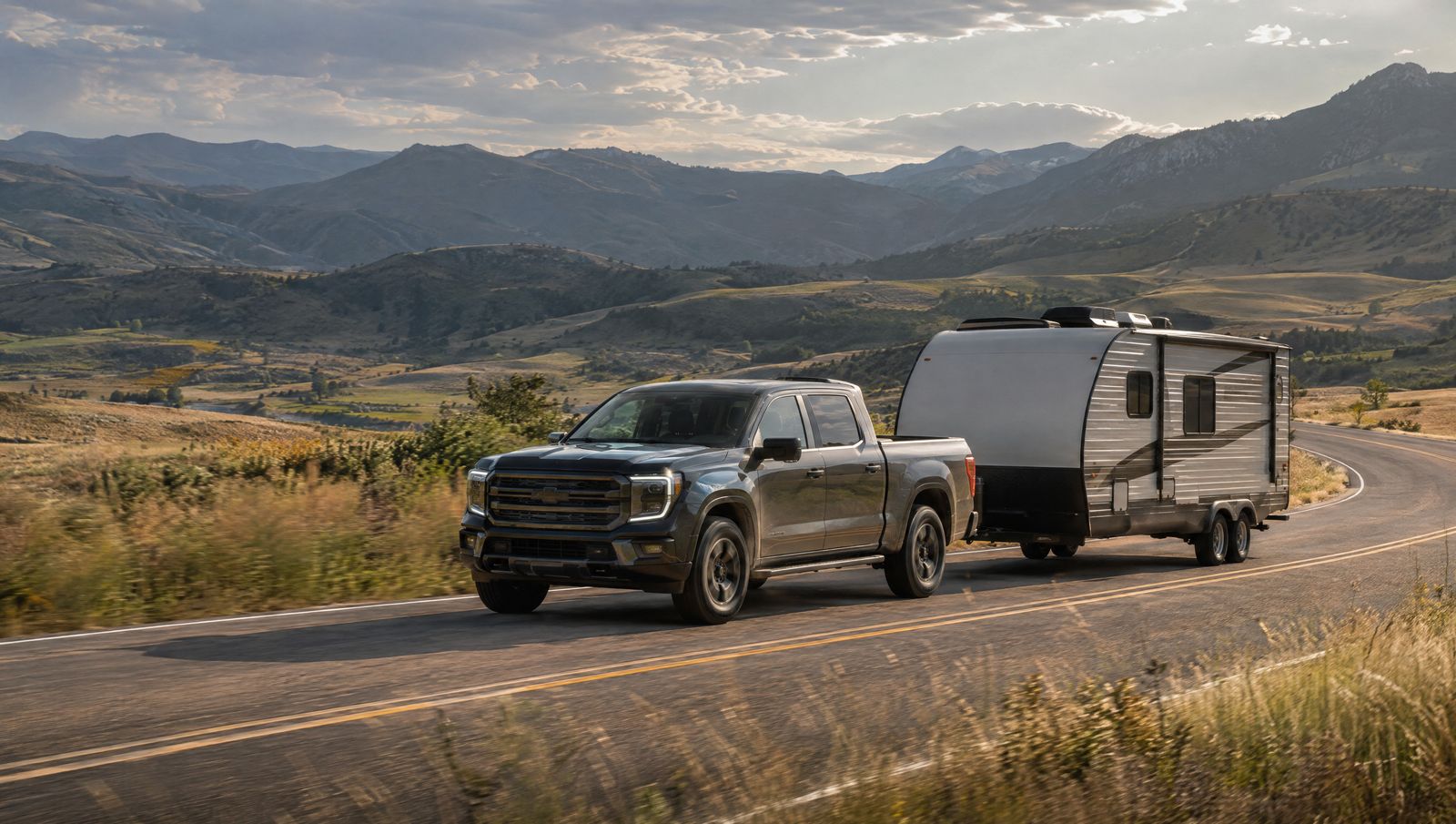
Tell us what you need and for how long
Browse the RVs owners have enrolled, or send a lease request with your dates, the area you will be in, how many people and whether you have a tow vehicle. Availability today: Client to confirm: current lessee availability and service area