
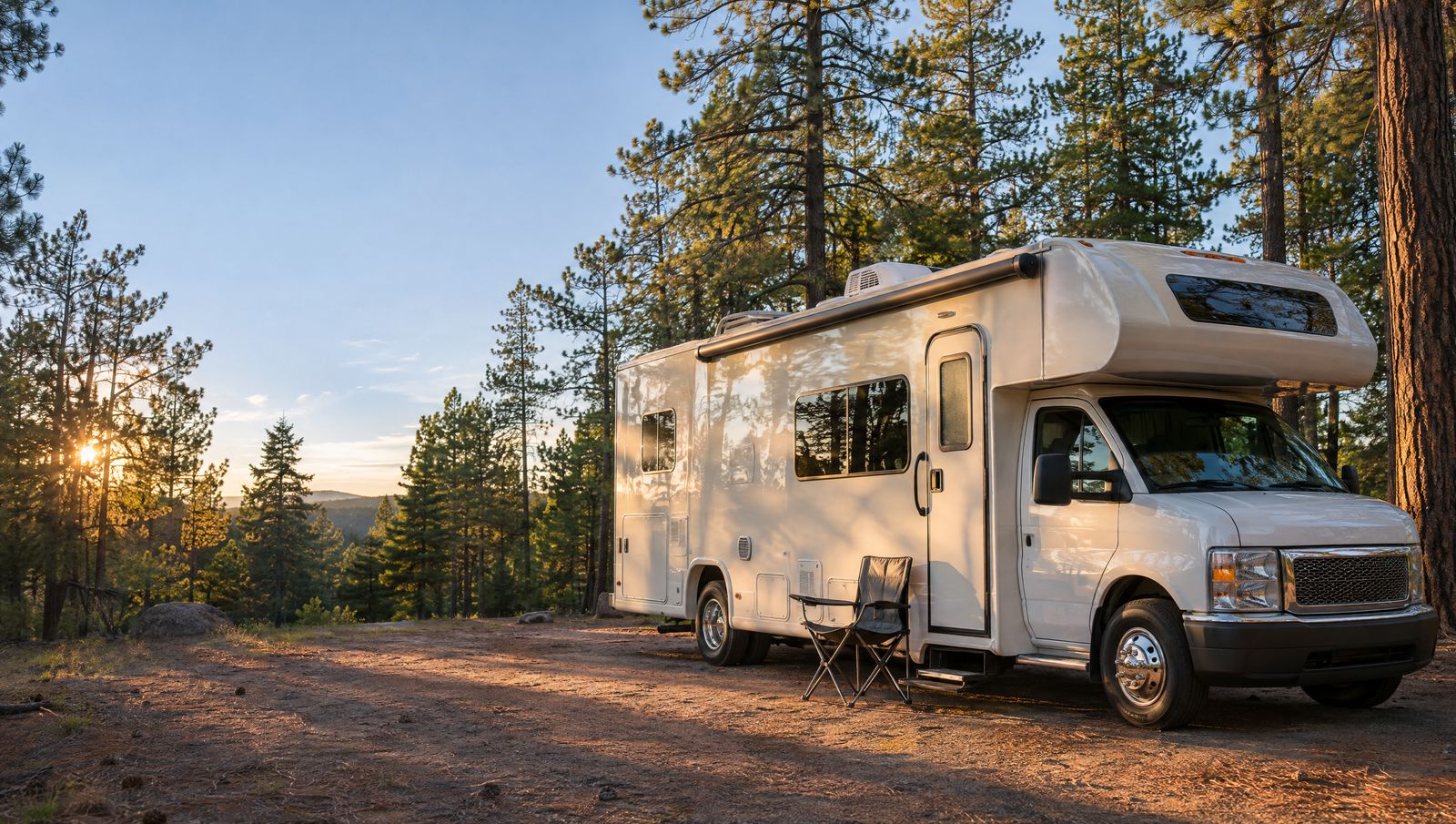
Lease your RV long term instead of letting it sit
Lease A RV places owner RVs with one lessee for an extended term. One handoff at the start, one at the end, and a coach that gets used the way it was built to be used.
Where is your RV right now?
Pick the closest match. The next step depends on it.
A driveway RV is easy to forget about until the batteries are flat and the tires have sat in one position for a season. If you are not planning trips for the next several months, a long-term lease puts it to work and hands it back when the term ends.
Start with the owner checklistStorage fees buy a parking space and nothing more. The insurance, registration and aging continue either way. Compare what you spend to keep it parked against what a lease could return before you renew the lot.
Compare storage with leasingShort-term rental means a cleaning, an inspection and a stranger at the door for every booking. A long-term lease trades that turnover for a single lessee and far fewer handoffs. The trade-offs are laid out side by side.
See rent vs. leaseFour handoffs between you and a signed lease
The outline of the program, from first inquiry to the day the RV comes home.
Client to confirm: confirm each step below matches the actual enrollment process, including owner approval points
-
Tell us about the RV
Year, make, model, class, mileage and where it is parked. A short inquiry, no documents yet.
-
Inspection and paperwork
The coach's condition goes on record before anyone else drives it, and the title, registration and insurance are reviewed.
-
Lessee placement
A lessee is matched to the RV for a set term, and the lease terms are put in writing.
-
Term, check-ins, return
The RV is in use for the term, then comes back through a return inspection against the original record.
Read every step in detail, including who handles maintenance
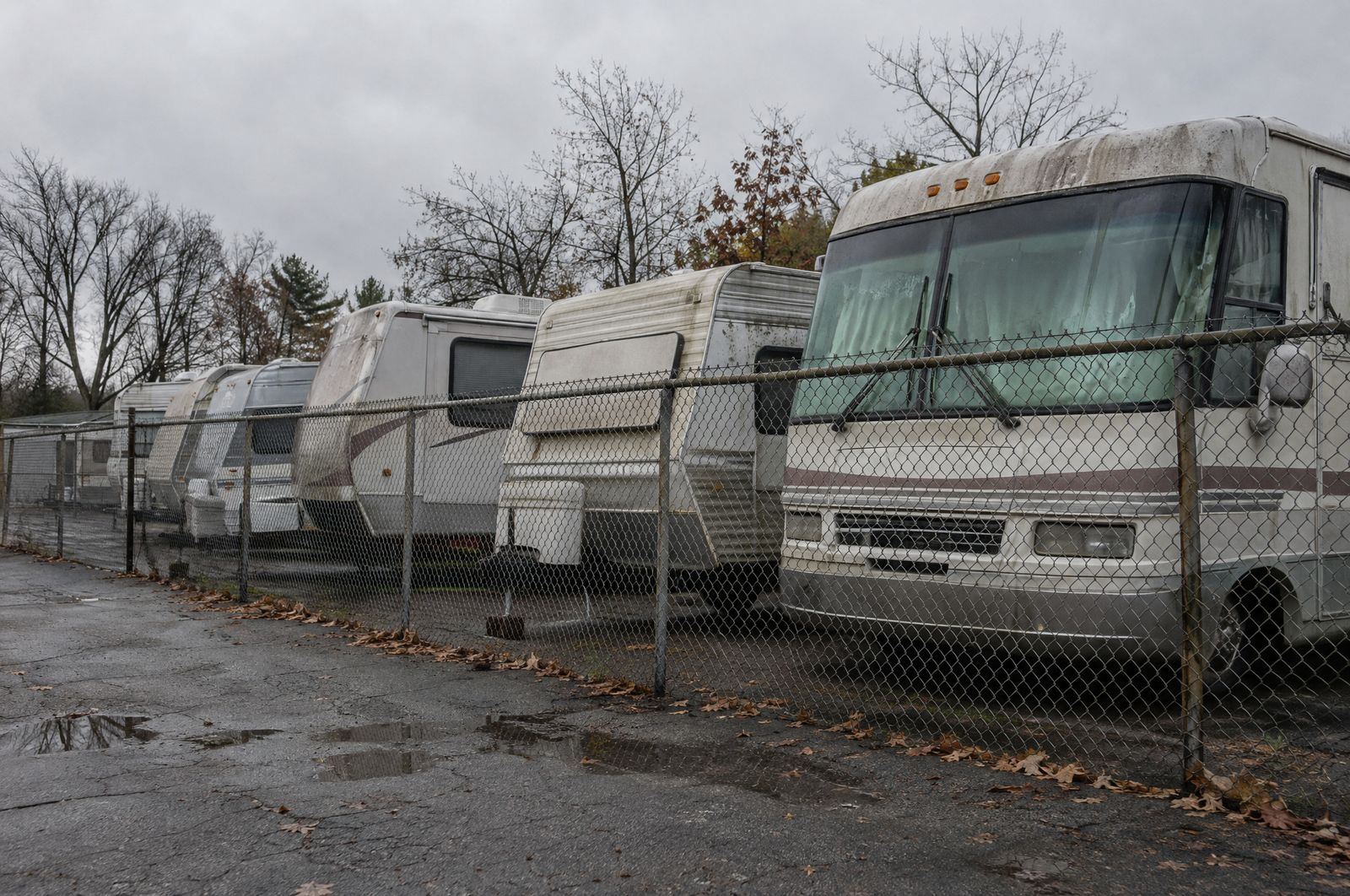
A parked RV still runs up bills
Plenty of RVs are bought for a few big trips a year. The rest of the calendar they wait. And waiting has a price that rarely shows up on one statement.
-
Storage or spaceA lot fee every month, or a driveway you cannot use for anything else.
-
Insurance and registrationBoth renew on schedule whether the RV moved last year or not.
-
Tires age on the calendarRubber dries and cracks with time and sun, and sitting in one spot can flat-spot the tread. Low miles do not mean new tires.
-
Systems that need exerciseHouse batteries drain, generators want regular run time, and roof seals need eyes on them. An idle coach hides problems until the next trip.
One lessee for the whole term, not a new stranger every weekend.
Lease, rent or store: what changes for the owner
Every option has a cost. The question is which costs you would rather carry.
| Factor | Long-term lease | Short-term rental | Storage |
|---|---|---|---|
| Who uses the RV | One lessee for the term | A different renter each booking | Nobody |
| Handoffs per year | Start and end of the term | One or two for every trip | None |
| Owner time | Enrollment, then periodic updates | Messages, cleaning and turnover between renters | Seasonal checks and battery care |
| Money in | Client to confirm: owner payment structure | Varies with bookings and season | None |
| Money out | Client to confirm: owner costs or fees, if any | Platform fees, cleaning, wear between trips | Lot fees, insurance, registration |
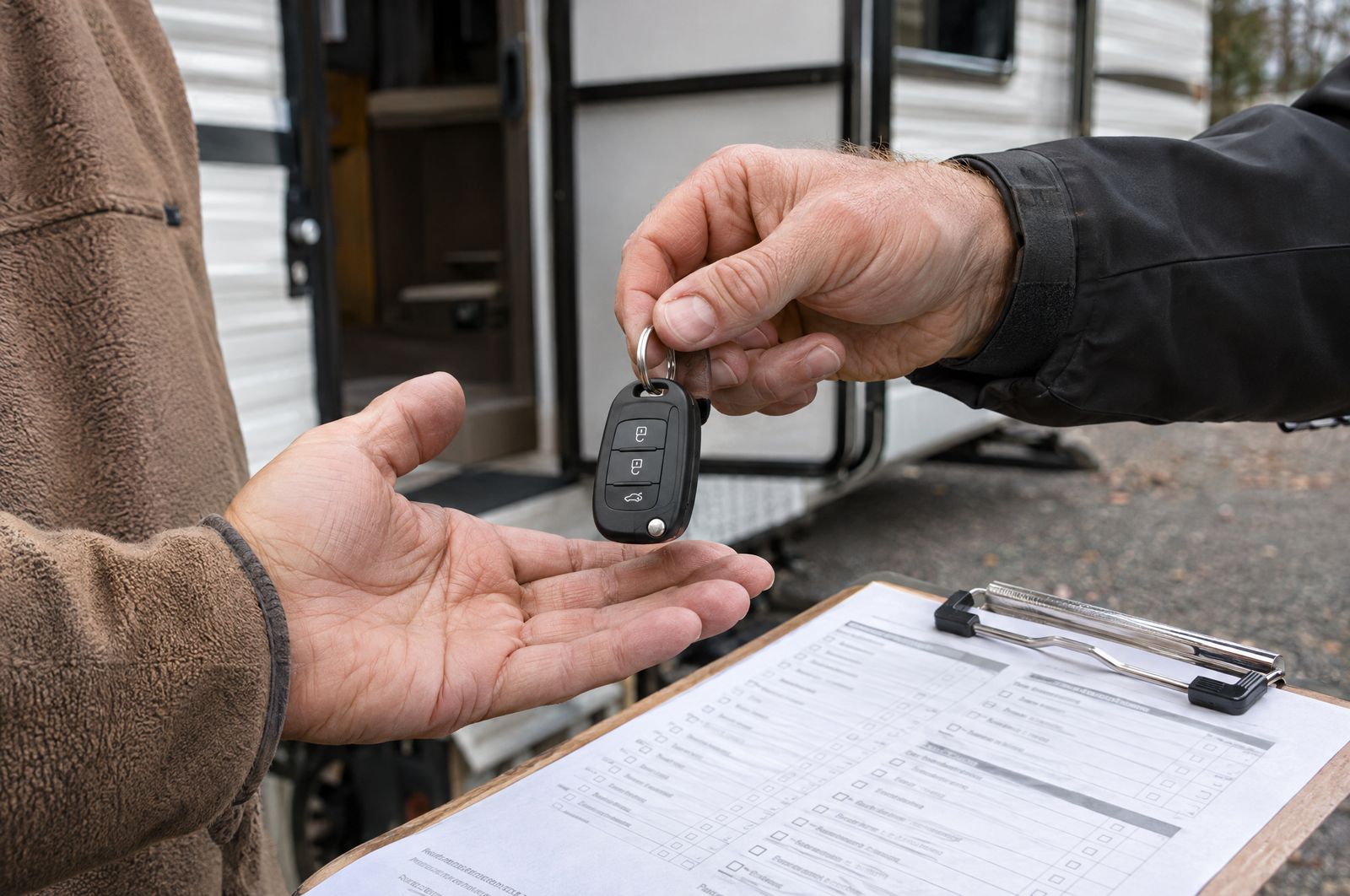
Seven questions to put to any RV lease program
You are handing over one of the most expensive things you own. Ask these out loud, ours included, and get the answers in writing.
- How are lessees screened, and can I see the criteria?
- Whose insurance covers the RV during the lease, and does it cover commercial use?
- Who pays for routine maintenance, and who pays for damage?
- Is there a mileage or usage limit?
- How is condition documented at the start and the end?
- What happens if I need the RV back early?
- When and how am I paid?
What to have on hand before you enroll
Gathering these first makes the inspection and paperwork step quicker. Tick them off as you go; this page remembers your progress on this device.
Read your loan agreement before you enroll. Some lenders restrict renting or leasing the vehicle, and your lienholder may need to sign off.
0 of 7 gathered
What owners ask first
The short versions. The full owner FAQ goes deeper on insurance, wear and returns.
What kinds of RVs can go into the program?
Eligibility depends on the class, model year and condition of the coach: Client to confirm: accepted RV classes, minimum model year and condition standards. If you are unsure, send the inquiry anyway and we will tell you directly.
How long does a lease last?
Client to confirm: typical and minimum lease terms. Long-term means months, not a weekend, which is what keeps handoffs and turnover low.
Does my personal RV insurance cover a lease?
Usually not on its own. Many personal RV policies exclude renting or leasing to others, so do not assume you are covered. How coverage works during a Lease A RV term: Client to confirm: insurance arrangement during the lease.
Can I use the RV myself during the term?
During an active lease the RV is with the lessee. If you want a trip or two each year, say so in your inquiry so the term can be planned around it. Client to confirm: policy on owner use and early return
Find out what your RV qualifies for
Send the basics: year, make, model and where it is parked. We will reply with whether it fits the program and what the next step looks like. There is no obligation to enroll.