
Enroll your RV in the long-term lease program
What makes an RV a good fit, what to prepare, and two ways to start: a two-minute question about whether your RV qualifies, or a full listing with photos from your own account.
What makes an RV a good fit for a long-term lease
A long-term lessee lives with the RV day to day. That changes what matters. A coach that is perfect for two weeks a year can be a poor fit for months of continuous use if the water heater is temperamental or the slide-out needs a shove. The program's specific cutoffs are listed below; the general picture looks like this.
- Fresh water, waste tanks, water heater, furnace, air conditioning, fridge and every slide-out operate without a workaround.
- The roof is dry and the seals are sound. Soft spots, ceiling stains or sidewall delamination get looked at first, because water damage spreads quietly.
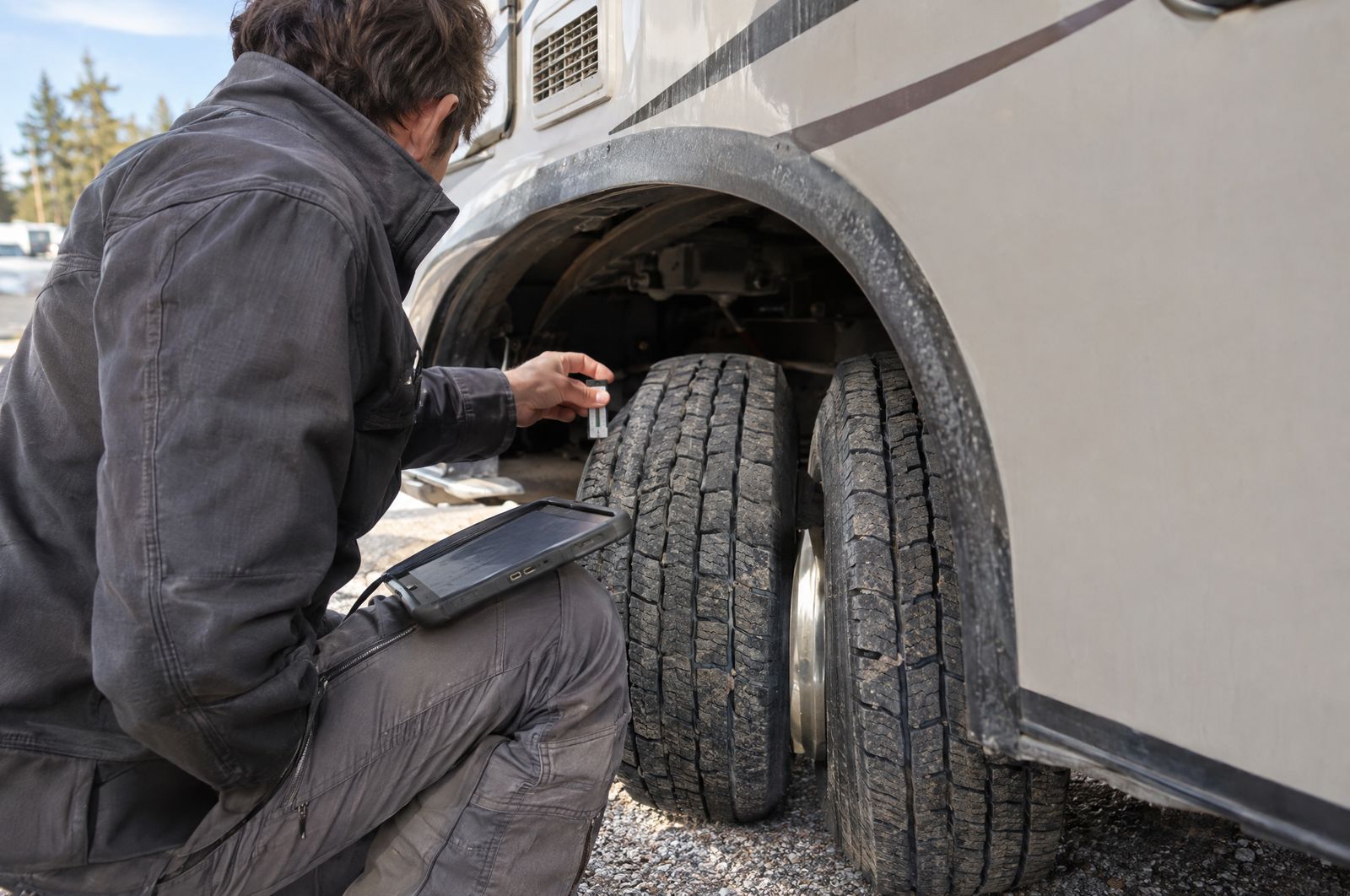
- The tires have real life left, by age as well as tread. Reading the date code is covered below.
- The title is clean and the registration current, or the lienholder is willing to approve the lease.
Program eligibility: Client to confirm: accepted RV classes (Class A, B, C, travel trailer, fifth wheel, toy hauler), minimum model year, mileage or condition limits, and any locations served
If you are unsure whether your RV qualifies, send the inquiry anyway. A short answer by email costs you nothing and settles the question faster than guessing from a list.
What happens after you send the inquiry
The inquiry is a starting point, not a commitment. Here is the order things move in.
- Your answers are checked against the program's eligibility rules. Client to confirm: who reviews and typical reply time
- If the RV looks like a fit, a call or email follows to cover how you use the RV now, when it could be available, and anything you want to keep for yourself.
- The RV's condition is documented in detail at an inspection. Client to confirm: where inspections happen, who performs them, and whether the owner pays anything
- Owner terms are put in writing for you to review before signing. Client to confirm: owner agreement summary: payment schedule, term length, owner obligations
- The RV is matched with a lessee for the term. Client to confirm: how lessees are screened
For the full sequence, including what happens mid-term and at the return inspection, read how the program works.
Preparing your RV for the inspection
An inspection records the RV as it is. A little preparation means the record reflects the coach at its best, and it surfaces problems while you still have time to fix them on your own schedule.
Read your tire date codes
Every tire sold in the United States carries a DOT code on the sidewall. The last four digits are the week and year of manufacture: 2219 means the 22nd week of 2019. RV tires often age out before they wear out, because they sit for long stretches and take UV on one side. Many tire makers recommend inspection or replacement on an age basis; check your tire manufacturer's guidance and photograph each code.
Run every system once
Fill the fresh tank, run the pump, light the water heater, cycle the furnace and the air conditioner, extend and retract each slide, and run the generator under load if you have one. Write down anything that sticks, leaks or trips a breaker. It is far better to report a fault yourself than to have it discovered.
Get on the roof, or have someone do it
Look for cracked sealant around vents, skylights and the front and rear caps. Most roof leaks start at a seam, and a tube of the correct self-leveling sealant is cheap next to a rotted ceiling panel. Only go up if your roof is rated to walk on and you can do it safely.
Clean it like you are selling it
A clean coach photographs well, which matters for the condition record. Empty the cabinets you want to keep, and decide what stays with the RV for the lessee: hoses, leveling blocks, kitchen basics, chairs. Make a list. Anything not on the list is not something you can expect back.
Two things to check before you sign anything: your loan and your insurance
Financed RV: many loan agreements limit renting or leasing the vehicle to someone else. Read yours, and if it is unclear, call the lender and ask directly. Leasing without permission can put the loan in default.
Personal insurance: many personal RV policies exclude coverage while the RV is rented or leased. Do not assume your policy follows the RV into a lease. Coverage during a Lease A RV term: Client to confirm: insurance arrangement, who holds the policy, coverage types and limits
Neither of these should stop you. They just need to be settled in writing before placement, not after something goes wrong. Common follow-up questions on both are answered in the owner FAQ.
Documents to gather
You do not need these to send the inquiry. You will need them before inspection. Tick them off as you go; the list remembers your progress on this device.
0 of 8 gathered
Check if your RV qualifies
Ready to go further? Create an account and list your RV with photos instead. Otherwise, no documents needed yet. We will reply by email with whether the RV fits the program and what comes next. Fields marked with an asterisk are required.