
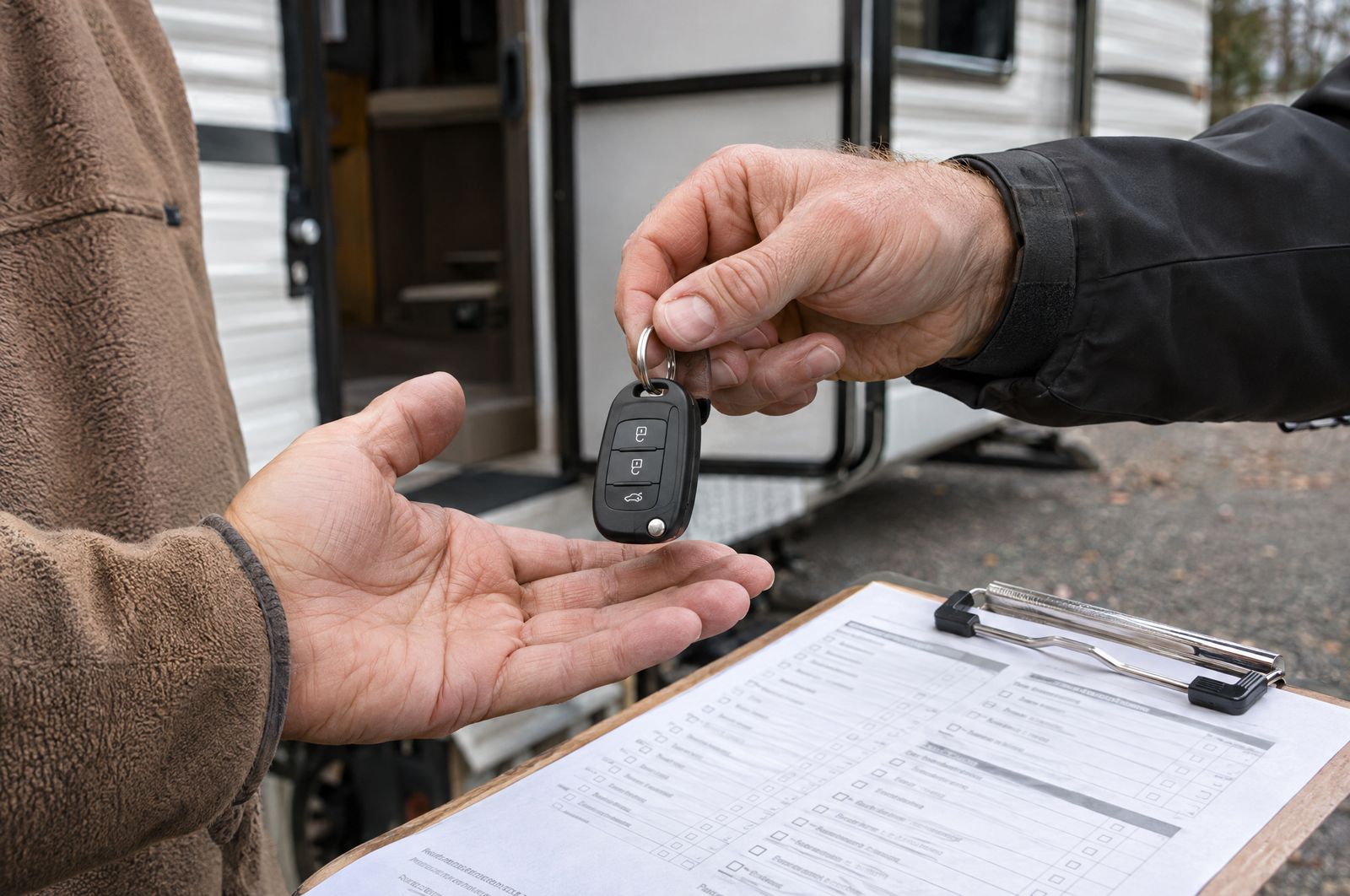
How a long-term RV lease works when you own the RV
Six stages, from a short inquiry to the day the coach comes back. Below is what you do at each one, what the program does, and where the paperwork protects you.
The short version
If you only read one part of this page, read this. The detail for every stage follows.
-
Inquiry
You send the year, make, model, class, mileage and location. That is all.
-
Inspection and records
The RV's condition is documented and the ownership papers are reviewed.
-
Placement and signing
A lessee is matched to the RV and the terms go in writing before anyone signs.
-
Term and return
The RV is used for the lease term, then comes back through a return inspection.
Client to confirm: confirm the stage names and order match the real enrollment process
1. The inquiry
The first contact is deliberately light. You describe the RV and where it lives today, and you say roughly when you would want it placed. No documents, no deposit, no commitment. The point of this stage is a yes, no or maybe on fit before either side spends real time.
What to include so the answer comes back useful:
- Year, make, model and class (Class A, B, C, travel trailer, fifth wheel, toy hauler).
- Odometer reading for motorized coaches, and generator hours if you know them.
- Where it is parked now: driveway, storage lot or a rental platform.
- Whether there is a loan on it.
- Any planned trips of your own in the next year.
That last item matters more than owners expect. A long-term lease means the RV is with the lessee for the term. If you already have a family trip booked for next summer, say so now, because it changes how the term is planned.
2. Eligibility review
Not every RV is a good fit for months of continuous use by someone else. Age, condition and type all play into it. The program's current standards: Client to confirm: accepted RV classes, minimum model year, condition and mileage standards.
Two things can stop an otherwise good RV at this stage, and both sit on the owner's side of the table.
If the RV is financed, read the loan agreement before you go further. Some lenders prohibit renting or leasing the collateral, and some require written consent. Placing a financed RV without checking can put the loan in default.
The second is insurance. Many personal RV policies exclude any period when the vehicle is rented or leased to someone else. Do not assume your current policy follows the RV into a lease. How coverage is handled during a Lease A RV term: Client to confirm: insurance arrangement during the lease, including who carries the policy and what it covers.
3. Inspection and condition record
This is the step that protects you most, so it is worth understanding in detail. Before the RV goes anywhere, its condition is written down and photographed. That record becomes the yardstick at the end of the term. Anything not on it is hard to argue about later.
What a solid condition record covers
- Exterior: every side, the roof and its seams, slide-out seals, awning fabric and arms, and any existing dents or delamination.
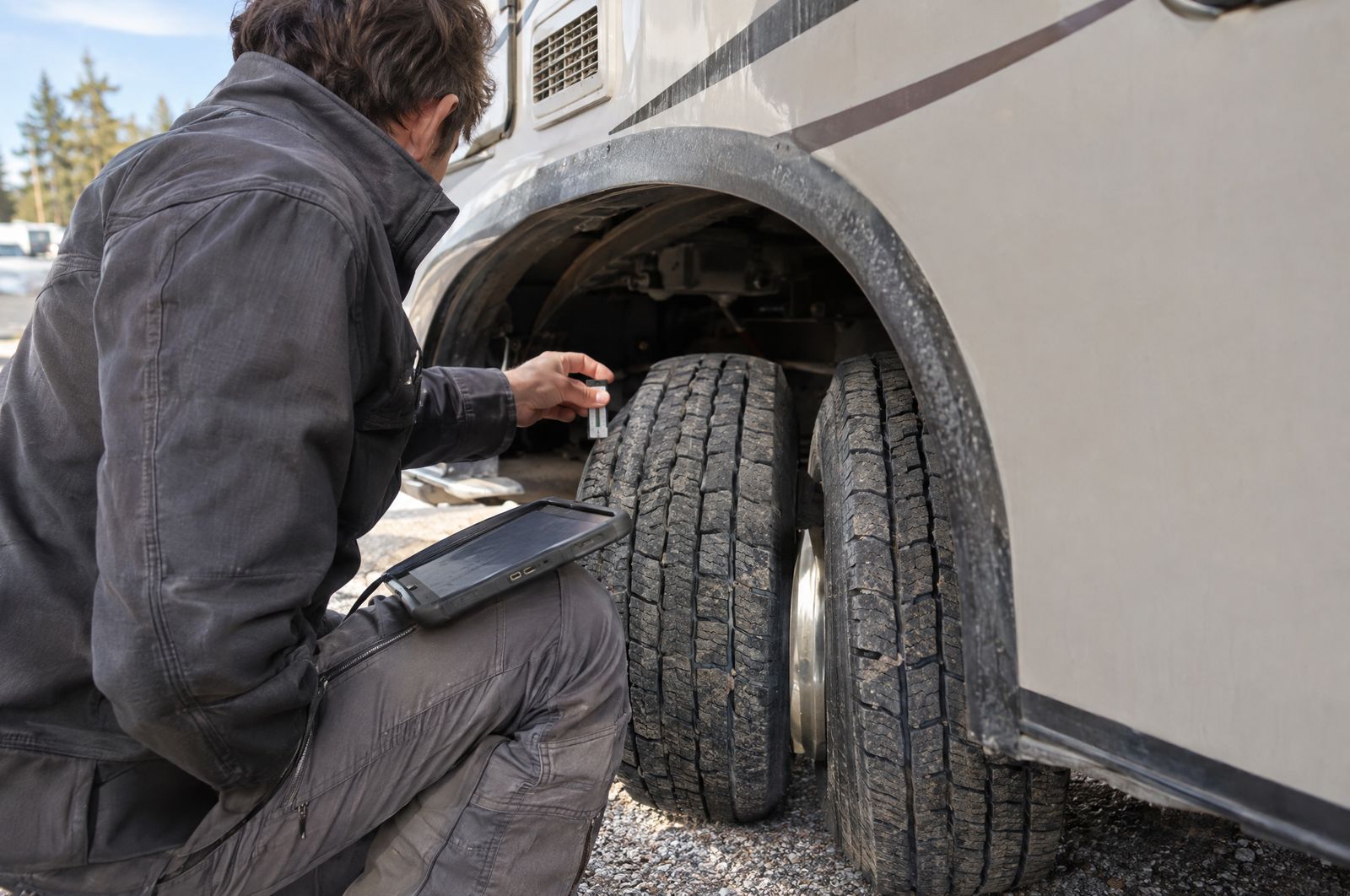
- Tires: tread depth and the DOT date code on each sidewall. Tires age with time and sunlight even on a low-mileage coach, so the date matters as much as the tread.
- Mechanical and house systems: engine or tow components, brakes, generator, water heater, furnace, air conditioning, fridge, pumps and tank sensors.
- Interior: upholstery, flooring, cabinetry, mattress, window shades, and every appliance turned on and confirmed working.
- Inventory: anything that stays with the RV, from hoses and leveling blocks to the kitchen kit.
Who performs the inspection and what the owner receives afterward: Client to confirm: who inspects, what the owner receives (report, photos) and whether the owner signs off on it.
Take your own photos the same week, with timestamps, and keep them. Two independent records of the same condition are better than one. Photograph the tire date codes up close; they are easy to miss and hard to reconstruct.
If the inspection finds a problem, such as a soft spot in the roof, worn tires or a failed water heater, the next question is whether it has to be repaired before placement and by whom. Who arranges and pays for pre-lease repairs: Client to confirm: who handles and pays for repairs found during the pre-lease inspection.
4. Lessee placement and signing
Once the RV is documented and ready, it is matched with a lessee for a defined term. The lessee side of the program is described on the lease an RV page.
Before you sign, you should be able to answer every one of these from the documents in front of you. If a document does not answer one, ask.
- The start date, end date and what happens at the end.
- How lessees are screened: Client to confirm: lessee screening criteria.
- Mileage or usage limits: Client to confirm: mileage or usage limits during the term.
- How and when you are paid: Client to confirm: owner payment amount, schedule and method.
- Where the RV may be taken and kept during the term.
The handoff itself is the moment the condition record matters. The lessee should acknowledge the same record you approved, so both sides agree on the starting point.
5. During the term
For most of the lease, the owner's job is small. The RV is in use, the lessee lives with it day to day, and you hear about it through scheduled updates. How often and in what form: Client to confirm: frequency and format of owner check-ins or reports during the term.
Regular use helps an RV in ways storage does not. Batteries stay charged, the generator runs on a schedule, seals get looked at, and small leaks get noticed while they are still small. Regular use also means regular wear, which is why maintenance responsibility needs to be clear before the term starts.
Maintenance during the lease
Routine items such as oil changes, generator service, roof sealant checks and tire pressure all come due during a long term. Who is responsible for each: Client to confirm: maintenance responsibility during the term: routine service, wear items, repairs, and who approves spending.
Ending a lease early
Plans change. A sale, a move or a family need can mean wanting the RV back before the term ends. The program's early return policy: Client to confirm: early termination policy for owners and for lessees, notice periods and any costs.
6. The return
At the end of the term the RV goes through a return inspection against the original condition record. The comparison sorts every difference into one of two buckets: normal wear for the time and use, or damage beyond it. That line is where disputes live, so the original record is your best friend here.
Normal wear on a lived-in RV typically includes light carpet and upholstery wear, minor scuffs on high-traffic surfaces, and tire tread consumed by the miles driven. Damage looks different: a torn awning, a cracked holding tank, a dented sidewall, a burned countertop. How the program defines and settles damage: Client to confirm: definition of normal wear versus damage and how damage is assessed and paid for.
After the return, you decide what is next: another term, a break for your own trips, or taking the RV home.
When something goes wrong mid-term
Picture month four. The lessee reports that the water heater stopped lighting, and a week later mentions a stain on the ceiling near the front cap. Two problems, and they are not the same kind.
The water heater is a wear item. Igniters and thermocouples fail with age and use. The ceiling stain is a warning: it often means a roof or cap seal is letting water in, and water damage in an RV spreads quietly into the wall and floor structure.
What a well-run lease does in this situation:
- The lessee reports promptly, with photos.
- The leak is treated as urgent and inspected before the next rain, because delay is what turns a resealing job into a wall repair.
- The owner hears about both items with the photos attached.
- Repairs are logged against the condition record so the return inspection does not count them twice.
Who triggers and pays for each repair: Client to confirm: process and payment responsibility for repairs reported mid-term. Ask about this scenario by name before you sign.
What the owner actually does
Strip away the detail and the owner's part comes down to a short list of decisions and a handful of documents.
Start with stage one
The inquiry takes a few minutes and commits you to nothing. Send the basics and you will hear whether your RV fits the program and what comes next.